Location & Transportation
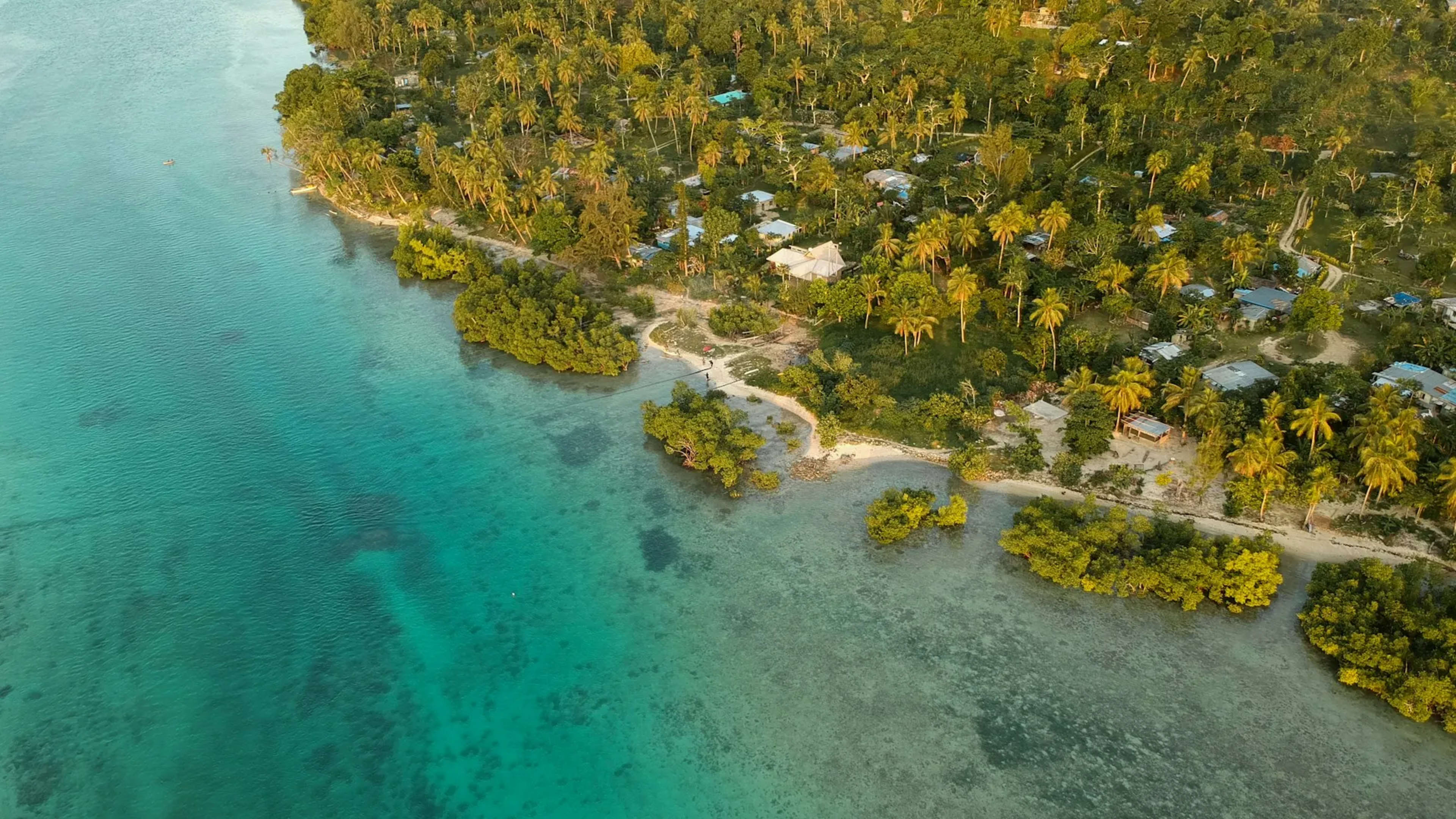
I love sharing that Wala is a tender port off the northeast coast of Malakula Island. When your ship drops anchor between the tiny islands of Wala and nearby Rano, you’re treated to pure white beaches and translucent waters perfect for a refreshing swim or snorkelling adventure. The tender service makes it easy to hop off the ship and start your island day at a relaxed pace—you feel like you’re stepping into a postcard!
Sightseeing
One of the best parts about visiting Wala is experiencing the rich local culture firsthand. The island’s residents graciously open their villages to visitors, even though some parts of the island are considered taboo for non-natives. During your visit you can:
- Enjoy guided walks through the village where locals host cooking and hunting demonstrations.
- Watch magnificent traditional dancing that has been passed down for generations.
- Learn about centuries-old customs and ceremonies that make this place so unique.
- Pick up high-quality handicrafts directly from local markets and small stores.
Just a tip: Don’t forget your reef shoes if you plan on swimming or snorkelling—the coral reefs are breathtaking!
Tours & Excursions
If you’re looking for a little adventure, the locals offer a friendly tour on outrigger boats for about $5 per person. The villagers will meet you at the tender dock and take you on a journey through three or four nearby villages. Along the way, you’ll see live demonstrations of traditional crafts and customs. Often, there’s a small donation box at each stop where you can contribute what you feel is appropriate. It’s a wonderful way to immerse yourself in the island’s everyday life.
It‘s a good idea to compare shore excursion costs between what your cruise line offers and options like Viator and GetYourGuide. They often provide lower prices and include customer reviews and ratings to help you choose the best option. They may also offer more more flexible cancellation or rescheduling policies than those available through your cruise line. However, while booking independently might give you more variety and potentially better rates, be mindful of your schedule - cruise line excursions are typically coordinated to match your ship‘s schedule with guaranteed pick-up and drop-off times.
There is also a great resource for finding local guides at Tours by Locals. Tours by Locals connects you with local guides who can help you plan a private personal tour, guide you, and get you back to your ship on time. You can also check out Rome2Rio for local transportation options. It is a great resource for finding how to get from one place to another, including public transportation, taxis, ferries, and more.
Shopping
Shopping in Wala is all about authentic local treasures. I love picking up beautiful handicrafts and handmade art that reflect the island’s unique culture. The local markets are small but charming, perfect for finding a memorable souvenir that tells the story of your island adventure.
Dining
I’ll be honest—Wala is wonderfully remote, and that means dining here is about simplicity rather than restaurants. With only around 300 people living permanently on Wala, there are essentially no cafés or eateries, so I always recommend bringing along a snack or planning to head back to the ship for a proper meal. The real treat is what the islanders share at the beach: local fruits and coconuts offered at beach stalls make for a refreshing taste of the tropics after a swim. Sipping fresh coconut water straight from the shell, with your toes in that white sand, is exactly the kind of unhurried island moment I come to Wala for.
Culture & Local Events
Wala’s local vibe is relaxed and welcoming, with traditions that run deep in everyday life. Here are a few things you might find interesting:
- Local Currency & Tipping: The currency used here is the Vatu (VUV). In my experience, tipping isn’t a strong tradition in Vanuatu, and there’s no need to haggle over prices.
- Languages: Nearly everyone speaks English, French, or Bislama, making it easy to chat with locals and learn about their customs.
- Customs & Celebrations: The island’s rich heritage shines through in its traditional ceremonies and dancing displays. Ask around about any local events or festivals happening during your visit. Even if you only have a day, a quick peek into these local celebrations can make your trip truly memorable.
- Local Hours: Many of the village activities and market stalls tend to operate during the day with a break in the afternoon. It’s a good idea to check in with your guide about the best times to visit specific spots.
Safety & Awareness
When exploring Wala, I always remind fellow travelers to respect local customs and traditions. Some areas of the island are considered private or taboo, so it’s best to follow your guide’s advice and ask for permission before snapping photos or exploring off the beaten track. This respectful approach not only keeps you safe but also enriches your cultural experience.