Location & Transportation
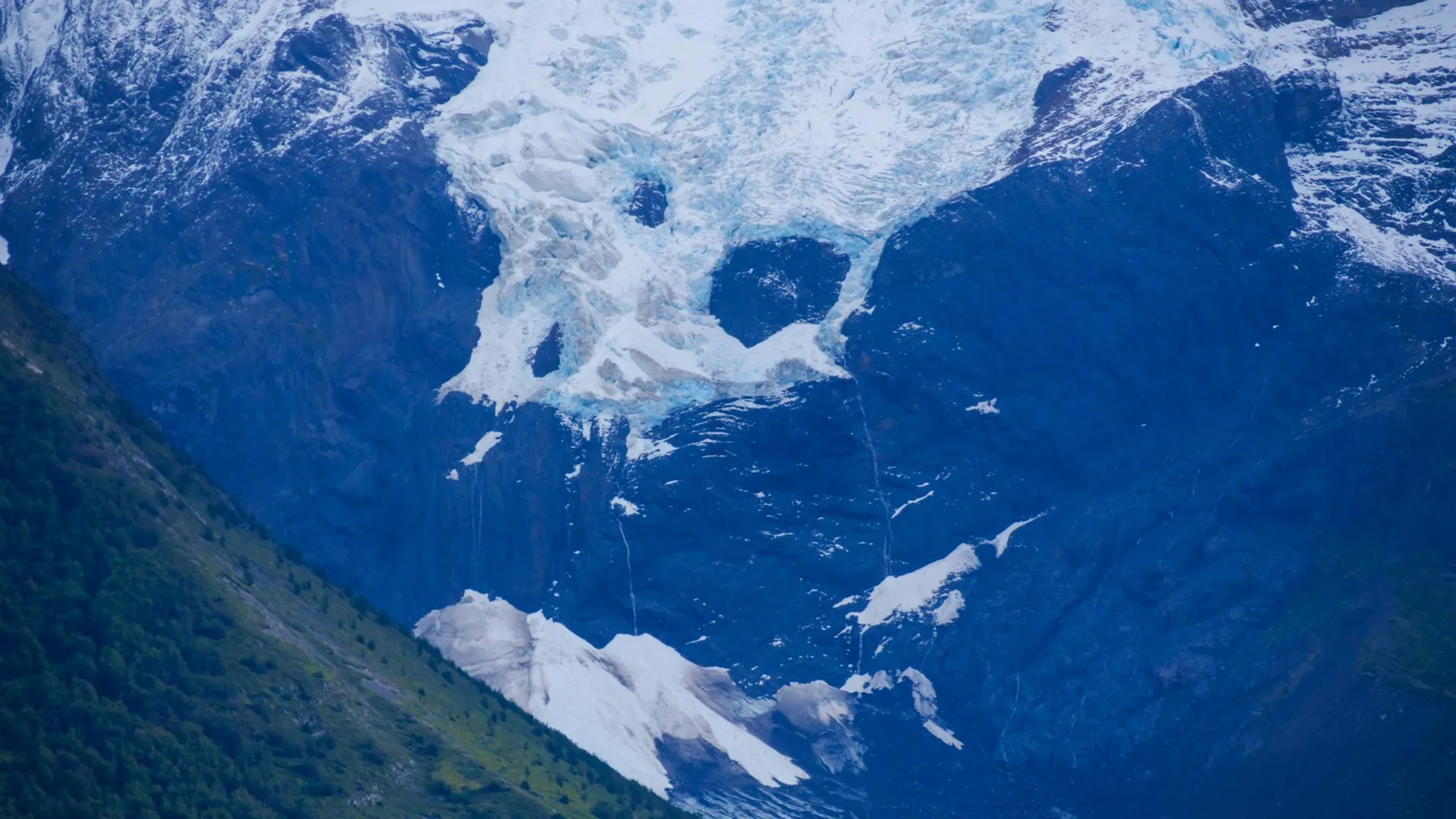
Most cruises stop at Pio XI Glacier primarily for its awe-inspiring natural beauty rather than as a disembarkation point. The glacier lies deep in Bernardo O’Higgins National Park, a remote region where the vast, icy wilderness takes center stage. There isn’t a town or typical port city here—your visit is all about marveling at a natural wonder. The main highlight is scenic cruising along Eyre Fjord, leading right up to the magnificent face of the Pio XI Glacier. Your ship navigates slowly to give you incredible panoramic views of the colossal ice wall and the surrounding Patagonian mountains.
If you’re on an expedition vessel, you may be lucky enough to get closer by Zodiac; on larger ships the experience is all from the deck. Either way, remember that the weather can change suddenly. Dress warmly, wear sturdy footwear, and listen carefully to the safety briefings from your tour guides.
Sightseeing
Pio XI Glacier is truly a sight to behold. Here are a few highlights based on what I experienced:
- The glacier is enormous. Also known as the Brüggen or Ana María Glacier, it is the largest glacier in South America, covering an impressive 1265 km² of surface area. It stretches roughly 66 km (41 miles) in length, and I found it hard to take in the scale until I saw the ice wall filling the fjord.
- What makes it so unusual is that it’s growing. The Pio XI glacier in Chile’s Southern Ice Field is South America’s largest, and one of the few glaciers in the world which continues to advance despite global climate change.
- Enjoy spectacular views of the glacier from the boat if weather conditions allow. Watch and listen for calving—chunks of ice breaking off the face with a thunderous crack.
- The vast, wild landscape of Bernardo O’Higgins National Park provides a dramatic backdrop of rugged mountains, ice fields, and deep blue skies. It’s a photographer’s dream!
- The experience is a reminder of nature’s grand scale and how dynamic even ice can be, growing in an area where most glaciers are shrinking.
It‘s a good idea to compare shore excursion costs between what your cruise line offers and options like Viator and GetYourGuide. They often provide lower prices and include customer reviews and ratings to help you choose the best option. They may also offer more more flexible cancellation or rescheduling policies than those available through your cruise line. However, while booking independently might give you more variety and potentially better rates, be mindful of your schedule - cruise line excursions are typically coordinated to match your ship‘s schedule with guaranteed pick-up and drop-off times.
There is also a great resource for finding local guides at Tours by Locals. Tours by Locals connects you with local guides who can help you plan a private personal tour, guide you, and get you back to your ship on time. You can also check out Rome2Rio for local transportation options. It is a great resource for finding how to get from one place to another, including public transportation, taxis, ferries, and more.
Tours & Excursions
Because there’s no port to step off at, the excursions here happen on the water and from the deck. What’s available depends entirely on the type of ship you’re sailing:
- Scenic fjord cruising: On most large cruise ships, the main event is the slow, ceremonial approach up Eyre Fjord to the glacier’s face. I’d claim a spot on an open deck early, bundle up, and simply watch the ice wall grow as you draw near.
- Zodiac cruising: On smaller expedition vessels, you may head out in inflatable boats for a closer look at the crevasses, floating bergs, and the towering blue face—weather and ice conditions permitting.
- Onboard naturalist talks: Many operators pair the visit with a lecture on the region’s geology and why Pio XI keeps advancing while the world’s glaciers retreat. It’s worth attending before you reach the ice—it made the whole spectacle mean more to me.
- Wildlife watching: Keep your binoculars handy. The forested shores of the fjord are home to seabirds, and dolphins are sometimes spotted in these waters.
Shopping
There are no shops here—no town, no market, and nothing to buy at the glacier itself. If you’re hoping to bring home a souvenir of Chilean Patagonia, I’d save that for a port with a town, such as Puerto Natales or Punta Arenas, where you’ll find local crafts, wool goods, and lapis lazuli. At Pio XI, the only thing to take with you is photographs (and plenty of them).
Dining
Likewise, there are no cafés or restaurants at the glacier, so all your meals happen aboard the ship. My tip: grab a hot drink from the buffet and take it out on deck as you sail up the fjord—there’s something wonderful about sipping something warm while watching that wall of ice slide by. Many ships also mark glacier days with a warming treat, so keep an eye on the daily program.
Culture & Local Events
While Pio XI Glacier isn’t surrounded by urban life or bustling street markets, the area offers a unique slice of Chilean natural heritage:
- Being located in a remote, pristine national park means there aren’t typical local events or festivals. Instead, nature is the star. Many cruise operators offer guided tours that include insights into the region’s geology and the ongoing growth of the glacier.
- The local culture here is tied to Chile’s broader approach to sustainable tourism and conservation. Chilean authorities work hard to protect natural treasures like Pio XI, so visitors are encouraged to follow all guidelines and respect the environment.
- Practical tips: The official currency is the Chilean Peso (CLP). Since there are no shops or cafés by the glacier, most transactions (if any) are handled as part of your cruise excursion package. Also, keep in mind that cell service can be extremely limited due to the remote location.
- Safety is paramount in such an untamed environment. Always check with your guide for the latest weather updates, and be extra cautious on icy or uneven surfaces.