Location & Transportation
Cruise ships dock at Matsugae Pier, which is adjacent to the city center. From here, it’s only about a 15‑minute walk to the entrance of Glover Garden. I’ve found that using taxis is very convenient— they’re plentiful, affordable, and metered. Also, Tram line 5 stops right by the pier, making it easy to explore other parts of the city.
Sightseeing
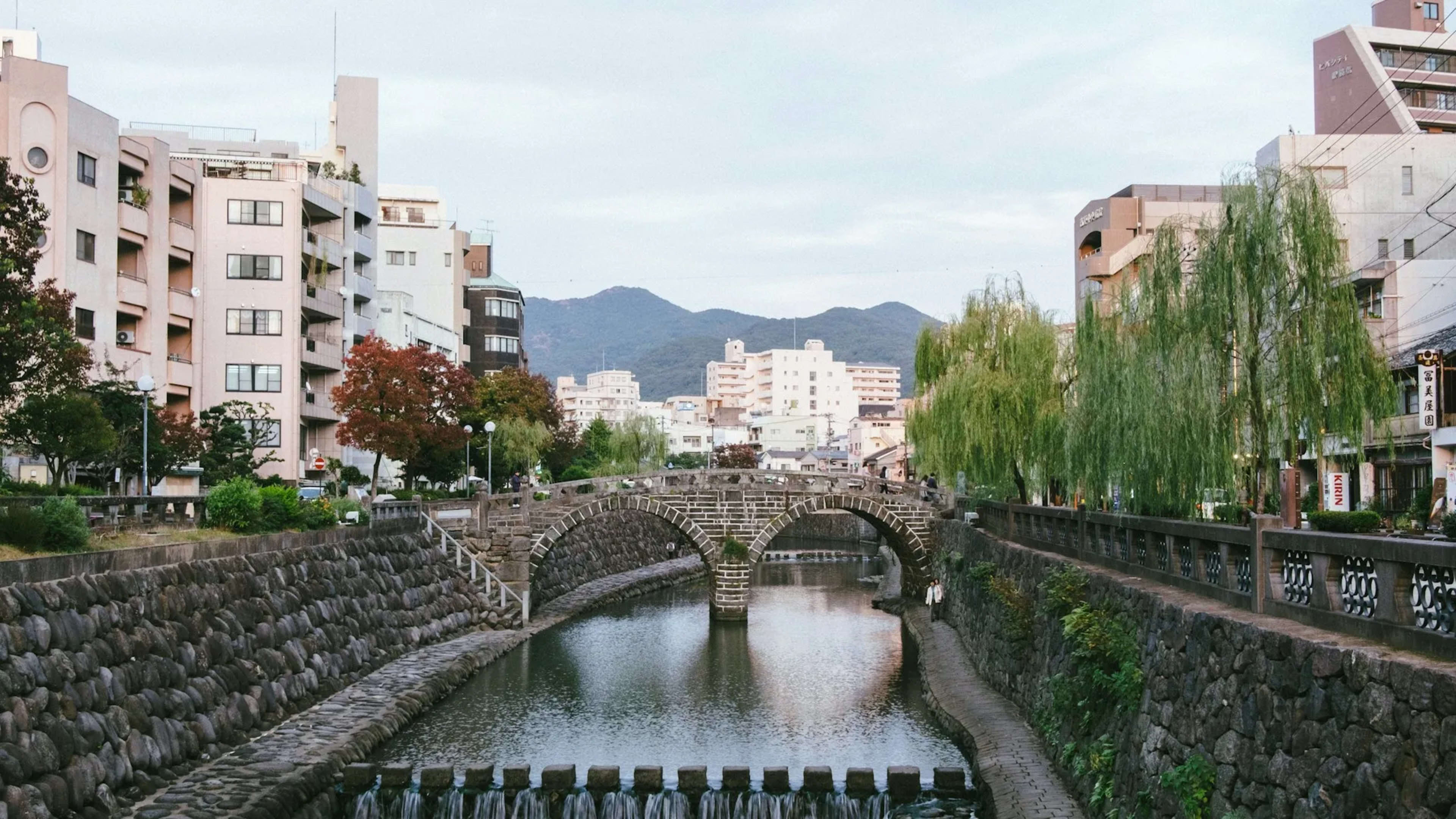
Nagasaki’s unique layout makes sightseeing an adventure. The city’s hills and narrow streets create a natural amphitheater with spectacular views— especially at night when the hillside homes light up, earning Nagasaki its famous “million-dollar” nightscape.
Some must-see sights include:
- Glover Garden: This charming site on Minami-Yamate offers sweeping views of Nagasaki Harbour and a glimpse into the city’s foreign settlement history.
- Atomic Bomb Museum: A poignant museum dedicated to remembering the tragic events of the past and promoting peace. It’s located at the far end of the museum tour and is accessible via tram or a short taxi ride.
For more details on Nagasaki’s landmarks, check out the Nagasaki section on Wikivoyage.
Tours & Excursions
Getting around Nagasaki is part of the adventure:
- Streetcar (Tram Line): A single ride costs a flat ¥150, and you can grab a one‑day pass for ¥600 (available at the Nagasaki Station Tourist Information Center, tramway sales offices, and selected hotels—but not on board the trams). It’s a fun and inexpensive way to see the city.
- Bus Tours: Buses are another great way to visit many of Nagasaki’s sites. They offer an easy way to learn about the city’s history and local culture.
- Taxi Tours: If you prefer a more personalized experience, a taxi tour for around 12,000 Yen over a 3‑hour period can show you the hidden gems of the city. Remember, when boarding a taxi in Nagasaki, the left rear door is operated remotely by the driver—so there’s no need to fiddle with it yourself. Also, tipping isn’t customary here.
- Excursion to Huis Ten Bosch: Just outside of Sasebo, this Dutch‑style theme park offers a taste of Europe in Japan and is a popular day trip if you have extra time.
It‘s a good idea to compare shore excursion costs between what your cruise line offers and options like Viator and GetYourGuide. They often provide lower prices and include customer reviews and ratings to help you choose the best option. They may also offer more more flexible cancellation or rescheduling policies than those available through your cruise line. However, while booking independently might give you more variety and potentially better rates, be mindful of your schedule - cruise line excursions are typically coordinated to match your ship‘s schedule with guaranteed pick-up and drop-off times.
There is also a great resource for finding local guides at Tours by Locals. Tours by Locals connects you with local guides who can help you plan a private personal tour, guide you, and get you back to your ship on time. You can also check out Rome2Rio for local transportation options. It is a great resource for finding how to get from one place to another, including public transportation, taxis, ferries, and more.
Shopping
For a blend of traditional and modern shopping, head to Youme Saito, located next to Dejima Wharf in downtown Nagasaki. This multistory shopping plaza features:
- A wide range of stores including a stylish Kinokuniya bookstore on the fifth floor – perfect for finding English-language books and magazines.
- A food court offering several selections to refuel after a day of exploring.
Also, Chinatown is conveniently close to the cruise terminal, offering local snacks and souvenirs.
Dining
Nagasaki’s culinary scene is a delight. As you explore, try local specialties like champon (a hearty noodle soup), sara udon (crispy noodles topped with seafood and vegetables), and the famous castella sponge cake. Whether you’re grabbing a quick bite at a café or sitting down at a traditional restaurant, there’s something to satisfy every palate.
Culture & Local Events
Nagasaki’s culture and local events reflect its diverse history and vibrant community:
Local Events
- Nagasaki is known for unique festivals that celebrate its food culture and long history. Local celebrations often feature street food, music, and traditional performances.
- Shops and department stores typically stay open daily (except New Year’s), though smaller specialty shops may close on Sundays or specific holidays.
- A few tips: Tipping is not customary in Japan and can even be considered impolite, so simply enjoy the warm hospitality without the extra financial gesture.
Safety & Awareness
- Japan is a very safe country, but always stay aware of your surroundings and keep an eye on your belongings, especially in crowded areas.
- In case of emergency, remember the local numbers: 110 for police and 119 for fire and ambulance services.