Location & Transportation
Cruise ships dock about 8 km outside Layoune. Once you disembark, taxis are available to take you into the town center where you can experience a blend of desert and coastal life. Given Layoune’s remote setting, it’s smart to plan ahead – carry water, sun protection, and a sense of adventure as you explore this unique region.
Nearby Lodging
Layoune is a small town with limited but welcoming modest hotels and guesthouses. It’s a good idea to inquire at your ship’s information desk or consult local tourism sites for current recommendations.
Nearest Airport
Laayoune Hassan I Airport is very close – just about 3 km west of town. Taxis or local buses can easily connect you to the airport if your travel plans require a transfer.
Sightseeing
Layoune and its surroundings offer a rare glimpse into a landscape shaped by both natural beauty and a layered history. While it may not have the bustling attractions of bigger cities, here are some fascinating points to consider:
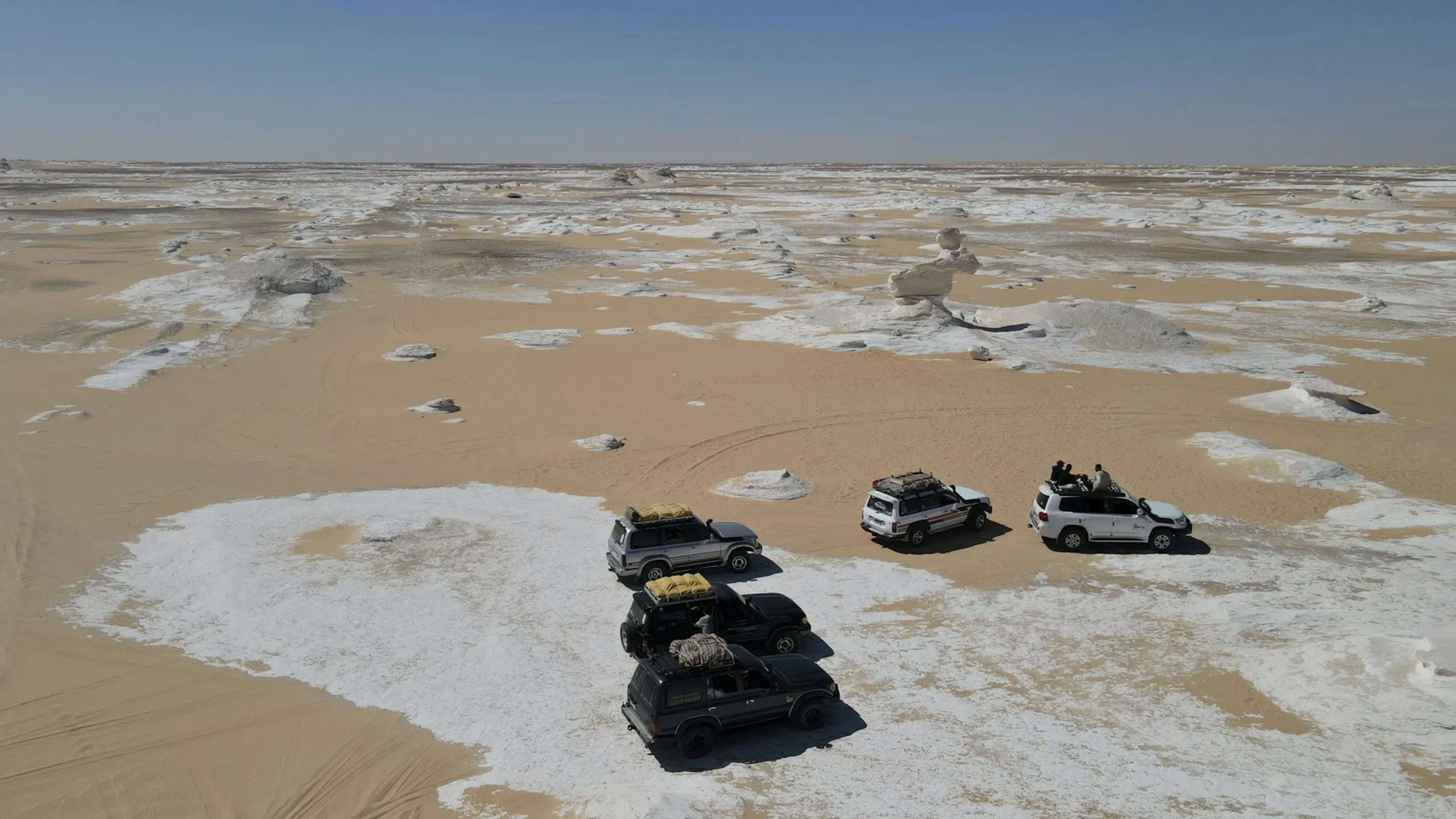
- Explore the stark, expansive desert scenery that stretches out to the horizon—a photographer’s dream!
- Notice the blend of colonial architecture and modern influences that hint at the area’s turbulent past. The modern city was founded by the Spanish in 1938, and when Spain relinquished control in 1975 the territory was divided and remains a subject of international debate.
- Walk along the port area and observe local fishermen and small markets where locals gather.
- Absorb the quiet charm and reflective atmosphere of a place that has witnessed decades of change and conflict.
Note: Due to ongoing political sensitivities and regional disputes, access to some areas might be restricted. It’s best to stick to recommended routes and seek advice from local guides or your cruise staff before venturing further.
It‘s a good idea to compare shore excursion costs between what your cruise line offers and options like Viator and GetYourGuide. They often provide lower prices and include customer reviews and ratings to help you choose the best option. They may also offer more more flexible cancellation or rescheduling policies than those available through your cruise line. However, while booking independently might give you more variety and potentially better rates, be mindful of your schedule - cruise line excursions are typically coordinated to match your ship‘s schedule with guaranteed pick-up and drop-off times.
There is also a great resource for finding local guides at Tours by Locals. Tours by Locals connects you with local guides who can help you plan a private personal tour, guide you, and get you back to your ship on time. You can also check out Rome2Rio for local transportation options. It is a great resource for finding how to get from one place to another, including public transportation, taxis, ferries, and more.
Tours & Excursions
Because Layoune is such a remote stop, I find the best way to experience it is with a local guide who knows the terrain and the sensitivities of the region. Here are a few ideas I recommend:
- Desert & dune drive: Head out beyond the edge of town to see the Sahara open up around you—the endless dunes here are the real highlight of this corner of the world.
- City orientation tour: Get your bearings with a walk around Place Mechouar, the Monumental Arch, and the old Spanish-era quarter to understand the layers of history.
- Fishing harbor visit: Layoune is a working fishing and phosphate hub, and a stop at the port to watch the boats come in gives you an honest, unfiltered look at local life.
- Saharawi cultural experience: Where available, sharing a round of mint tea with locals is the warmest introduction you can get to Saharawi hospitality.
I’d arrange excursions through your ship or a reputable local operator, and always confirm current access before you set out.
Shopping
Shopping here is modest and authentic rather than polished—which is exactly what I love about it. I enjoy wandering the small souks and shops in the town center, where you can pick up genuine, locally rooted goods:
- Saharawi handicrafts, silver jewelry, and beadwork.
- Traditional textiles, blankets, and the flowing melhfa garments worn by local women.
- Spices, mint for tea, and dates from the surrounding region.
Bring cash in Moroccan Dirham, since card payments are rare in the smaller shops, and don’t be shy about a friendly bit of bargaining—it’s part of the experience.
Dining
While dining options in Layoune are more limited compared to major tourist hubs, you can still enjoy hearty Moroccan meals. Many local eateries serve traditional dishes like tagine and couscous, and freshly prepared seafood is common along the coast. The atmosphere is relaxed, offering an authentic taste of local life—just be prepared for simple and straightforward fare rather than gourmet experiences.
Culture & Local Events
Layoune offers an opportunity to experience a unique cultural atmosphere where tradition and modern challenges intersect. Here are a few insider tips:
- Currency & Payments: The local currency is the Moroccan Dirham (MAD). Although larger shops might accept international cards, many smaller establishments prefer cash. It’s wise to have enough local currency on hand.
- Communication: Arabic and Spanish are widely spoken in Layoune. English may be limited, so having a translation app or a few key phrases handy can enhance your experience.
- Local Business Hours: Most shops and restaurants tend to open around 09:00 and close by 18:00, though hours may vary. Always check locally for any changes or holidays.
- Local Events: Layoune is a quieter stop along cruise itineraries. While large festivals are rare, you might find local markets or gatherings that reflect the authentic daily rhythms of life in Western Sahara.
- Safety & Awareness: The region has a complex political history. It’s important to stay informed through local sources and follow any travel advisories. Stick with recommended tourist areas and respect local sentiments. Keeping a copy of your passport with you is advised.