Location & Transportation
Kitava is a beautiful island located in the Trobriand Islands group. As a tender port, most visitors are brought here by a smaller boat from a larger cruise ship, so you know you’re in for a close-up look at authentic island living. I always recommend bringing along sunscreen, water, and a hat, as the tropical sun is strong while you enjoy the laid-back pace of life here. Once on the island, expect limited transport options—so take your time exploring on foot and soak in every detail of the natural surroundings.
Sightseeing
I love spending a day soaking up the natural beauty of Kitava, home to around 2,200 islanders who keep their traditional way of life beautifully intact. Here are a few things you shouldn’t miss:
- Enjoy the sparkling tropical waters with a snorkel in hand; the coral and colorful fish make for an amazing underwater adventure.
- Relax on one of the pristine beaches where you can simply lie back and let the gentle waves lull you into relaxation.
- Take a walk through the local village. I found it fascinating to see traditional burial caves, yam houses, and hidden freshwater holes that tell the story of the island’s rich heritage.
Tours & Excursions
Kitava isn’t the place for polished, pre-packaged shore excursions—that’s part of its charm. Instead, the day unfolds in a wonderfully informal way, and I loved learning about local traditions and customs directly from the community. Here’s what to expect:
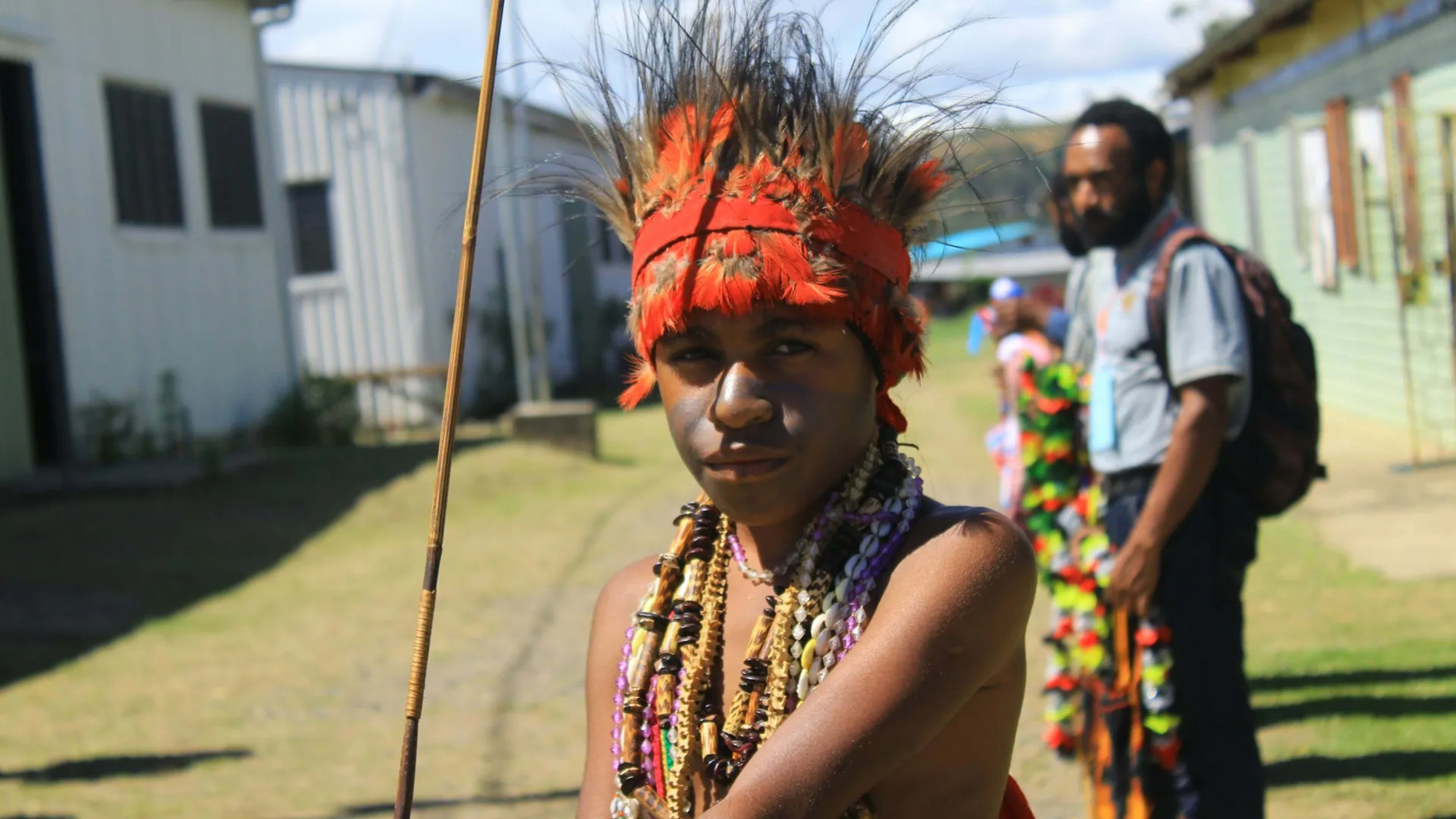
- Villagers put on lively ceremonial performances throughout the day, including a school children’s show, so you’re unlikely to miss out. The performances are free, but donations to the community are warmly welcomed.
- Local guides will happily walk you through the village to show you everyday island life, the yam houses, burial caves, and freshwater holes.
- Some islanders will take you snorkeling in their rafts or ferry you across to a nearby island for a small fee.
Since there are no formal tour desks here, just bring plenty of small-denomination Kina and a spirit of adventure—having a local show you around makes the experience even more enriching.
It‘s a good idea to compare shore excursion costs between what your cruise line offers and options like Viator and GetYourGuide. They often provide lower prices and include customer reviews and ratings to help you choose the best option. They may also offer more more flexible cancellation or rescheduling policies than those available through your cruise line. However, while booking independently might give you more variety and potentially better rates, be mindful of your schedule - cruise line excursions are typically coordinated to match your ship‘s schedule with guaranteed pick-up and drop-off times.
There is also a great resource for finding local guides at Tours by Locals. Tours by Locals connects you with local guides who can help you plan a private personal tour, guide you, and get you back to your ship on time. You can also check out Rome2Rio for local transportation options. It is a great resource for finding how to get from one place to another, including public transportation, taxis, ferries, and more.
Shopping
Shopping on Kitava is a unique experience—expect to find a few small stalls and local artisans selling handcrafted souvenirs. I picked up some lovely carved trinkets and colorful woven items which make for fantastic mementos of my time on the island. Bargaining is part of the fun here, so don’t be shy to chat with the vendors about the stories behind their crafts. Just remember there are no ATMs, so bring enough Kina in small notes to cover anything that catches your eye.
Dining
Dining on Kitava is all about fresh, local flavors. The small local eateries serve simple yet delicious dishes prepared with ingredients sourced right from the island. I highly recommend trying freshly caught seafood, which is usually grilled to perfection, and sampling local produce. The hospitality is warm and personal, and enjoying a meal here offers an authentic taste of the island’s culinary traditions.
Culture & Local Events
Kitava is steeped in rich indigenous culture that I found both authentic and welcoming. Some key points to know:
- The local currency is the Papua New Guinean Kina (PGK). There are no ATMs or card facilities here, so bring cash in small denominations; while some locals accept Australian Dollars, using Kina gets you a better rate and makes small purchases much easier.
- English and Tok Pisin are widely spoken, along with the local Kilivila language, so communication is pretty smooth for most visitors.
- The island is known for its traditional ceremonies and friendly community gatherings. I was particularly enchanted by the local yam harvest season, when the community comes together for traditional music, dancing, and feasting.
- Daily life here moves at a relaxed pace, and many activities follow community-timed schedules rather than strict business hours. This gives you the chance to experience the culture in a very organic way.
When visiting, remember to be respectful of local customs and join in with the festivities if you get the chance—it’s an opportunity to truly connect with the heart of the island.
Safety & Awareness
- Stay aware of your surroundings while exploring off the beaten track as medical facilities are limited.
- Follow your tour guide’s recommendations and keep your belongings secure.
- It’s wise to carry any personal medications with you and have emergency contacts handy since the island’s setting is remote.