Location & Transportation
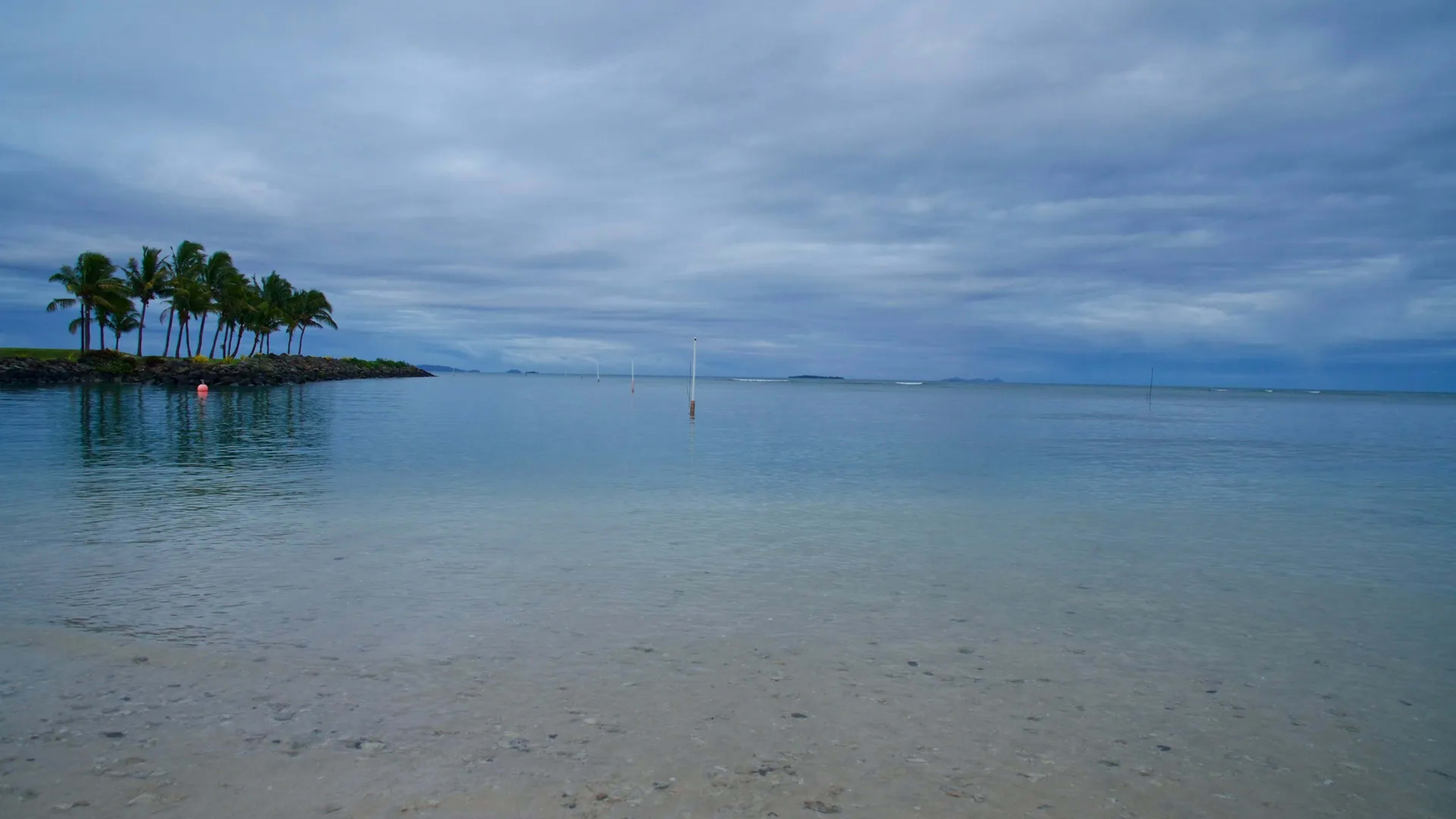
As ships are moored in this port, you will be tendered ashore. The tender ride is a short one—only about ten minutes—and lands you right on the beach. The island itself is very small—only about 0.8 square kilometers, roughly 2 km long by half a kilometer wide—and can be easily explored on foot. The central village is the hub of activity where visitors get a real taste of local life.
Sightseeing
Dravuni is home to around 125 Fijian natives who live in the central village. As a guest, you’ll quickly discover the charm of island living. The weather is usually perfect both day and night, making it an ideal spot for relaxed exploration. Here are some highlights:
- Take a leisurely stroll through the village and meet the friendly locals.
- For the adventurous, a trek up the grassy slopes to the island’s highest peak—about 131 feet (40 m)—offers stunning views of the ship and surrounding islands—don’t forget your camera!
- Enjoy safe and clear swimming and snorkeling along the accessible beach near the pontoon.
Tours & Excursions
Local boat trips around the island provide a unique way to see the surrounding Kadavu group. These trips are a fantastic opportunity to view the natural beauty of the area from the water and to experience the local way of life up close.
It‘s a good idea to compare shore excursion costs between what your cruise line offers and options like Viator and GetYourGuide. They often provide lower prices and include customer reviews and ratings to help you choose the best option. They may also offer more more flexible cancellation or rescheduling policies than those available through your cruise line. However, while booking independently might give you more variety and potentially better rates, be mindful of your schedule - cruise line excursions are typically coordinated to match your ship‘s schedule with guaranteed pick-up and drop-off times.
There is also a great resource for finding local guides at Tours by Locals. Tours by Locals connects you with local guides who can help you plan a private personal tour, guide you, and get you back to your ship on time. You can also check out Rome2Rio for local transportation options. It is a great resource for finding how to get from one place to another, including public transportation, taxis, ferries, and more.
Shopping
Shopping on Dravuni is intimate and authentic. As you walk through the village you’ll find a small local market and stalls—often just sarongs and crafts displayed outside the huts—where you can pick up unique, handmade souvenirs such as shell and coconut jewelry, tie-dyed sarongs, and small keepsakes to remind you of your island adventure. Bring cash, as there are no ATMs on the island.
Dining
There aren’t any formal restaurants on Dravuni—this is a subsistence village, not a resort—but that’s part of its charm. Local vendors set up near the beach and market to sell traditional Fijian fare cooked that day, from fresh reef fish to taro, cassava, breadfruit, and sweet coconut. I love grabbing something simple here and eating it barefoot in the shade; it’s about as real as island cuisine gets. Come with cash, and plan to rely on your ship for anything more substantial.
Culture & Local Events
Dravuni Island provides a genuine encounter with traditional Fijian culture. Here are some local tips and important details:
- The local currency is the Fijian dollar (FJD), though Australian, New Zealand, and US dollars are often accepted at the stalls. There are no ATMs, so it’s wise to bring plenty of cash.
- English is widely spoken, and many locals also speak Fijian. Learning a few basic Fijian phrases is a great way to show respect and connect with the community.
- Most businesses observe a relaxed schedule; note that on Sundays almost everything shuts down. This is part of the island’s rhythm, so plan your excursions accordingly.
- You might encounter local celebrations or traditional ceremonies during your visit. These community events offer insight into Fijian customs—ask a local, and you might join in a traditional kava ceremony or other cultural experiences.
Safety & Awareness
Dravuni Island is known for its friendly and safe environment. As with any small community, it’s important to respect local customs and advice. Dress modestly in the village, ask permission before taking photos, and stay aware of your surroundings, especially when venturing out on your own—and enjoy the warm hospitality of the island.