Location & Transportation
Since cruise ships cannot dock at Cape Hallett, you will be tendered by inflatable zodiac boats. Helicopter landings are not permitted, and every approach is carefully managed to protect the fragile Antarctic environment. I recommend dressing warmly and preparing for rapidly changing conditions. The expert expedition team will ensure you safely experience the pristine surroundings while keeping environmental impact to a minimum.
Sightseeing
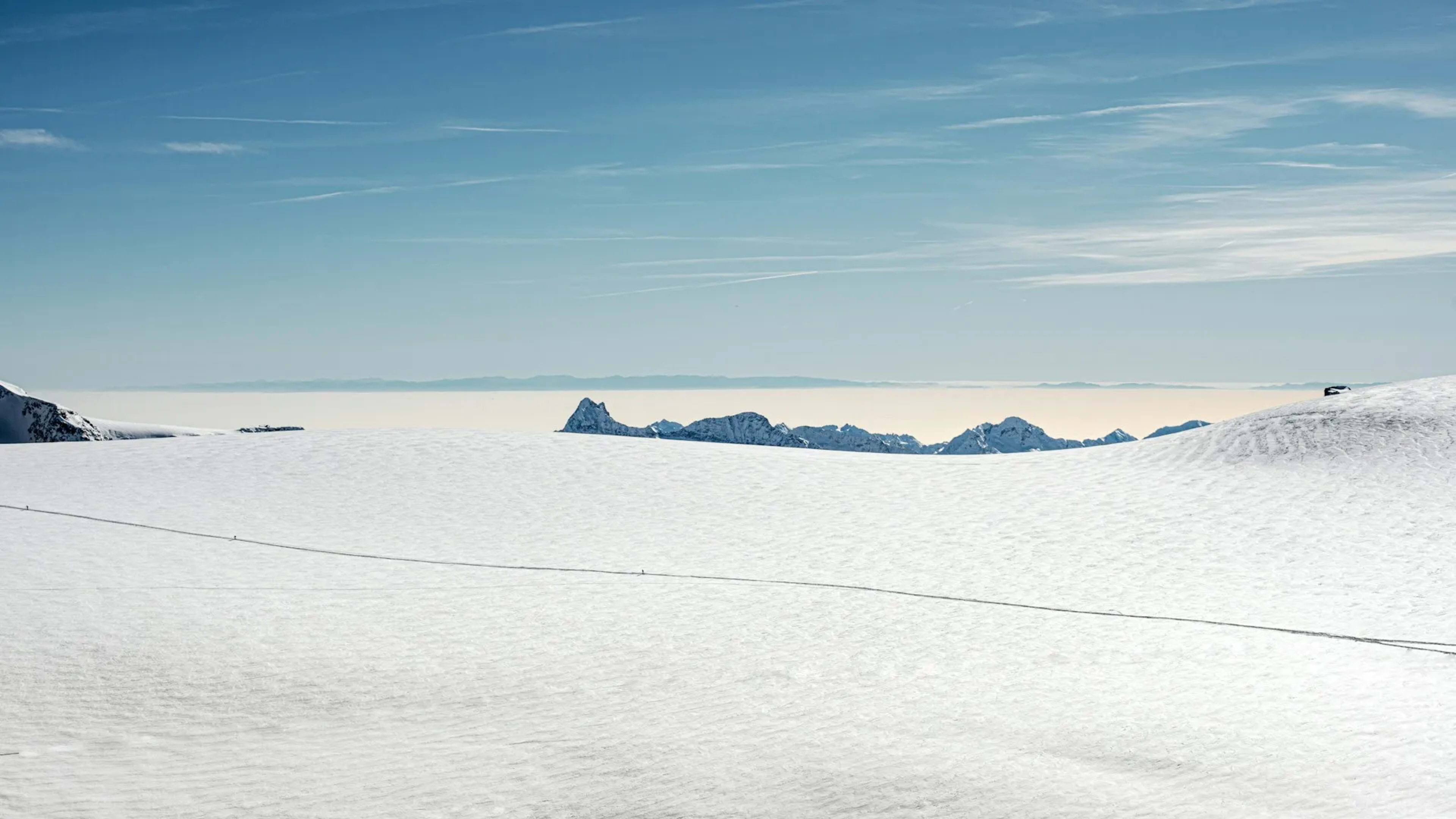
Arriving at Cape Hallett is like stepping into another world. The dramatic backdrop of the Admiralty Range, with mountains rising over 4,000 meters from the sea, sets the stage for an unforgettable adventure. Some of the highlights include:
- The vast, icy landscapes and giant glaciers making their way from the interior.
- A decommissioned US–New Zealand base, established in the mid-1950s and abandoned in 1973, that was built right inside one of the region’s great Adélie penguin colonies — the penguins have since recolonized much of the old station area, and today a small Korean research hut is the only structure in use.
- Breathtaking views of towering mountains and the pristine Ross Sea.
- Endless photographic opportunities to capture nature in its raw, untouched state.
Every turn offers a new perspective of Antarctica’s wild beauty.
Tours & Excursions
Excursions at Cape Hallett are designed for those with an adventurous spirit and a love for nature. Most Antarctica cruise itineraries include guided zodiac landings managed by experienced expedition teams. Here’s what you might experience:
- Zodiac boat rides that bring you close to the icy formations and the local wildlife.
- Guided photography tours, where experts help you capture the surreal beauty of towering glaciers and rugged mountains.
- Informative talks about regional geology, wildlife, and the history of the abandoned base.
- Safe, controlled explorations that always respect environmental guidelines.
Always follow the instructions of your expedition leaders to ensure a safe and memorable experience in this remote and extraordinary part of the world.
It‘s a good idea to compare shore excursion costs between what your cruise line offers and options like Viator and GetYourGuide. They often provide lower prices and include customer reviews and ratings to help you choose the best option. They may also offer more more flexible cancellation or rescheduling policies than those available through your cruise line. However, while booking independently might give you more variety and potentially better rates, be mindful of your schedule - cruise line excursions are typically coordinated to match your ship‘s schedule with guaranteed pick-up and drop-off times.
There is also a great resource for finding local guides at Tours by Locals. Tours by Locals connects you with local guides who can help you plan a private personal tour, guide you, and get you back to your ship on time. You can also check out Rome2Rio for local transportation options. It is a great resource for finding how to get from one place to another, including public transportation, taxis, ferries, and more.
Shopping
I’ll be honest with you: there is no shopping at Cape Hallett. This is an uninhabited stretch of Antarctic coastline with no town, no stores, and no souvenir stands — just penguins, glaciers, and the Ross Sea. The only structure in use is a small Korean research hut, and nothing here is for sale. If you’re hoping to pick up a memento, I’d do your browsing aboard ship, where most expedition vessels stock a small selection of Antarctic-themed gear, patches, and postcards. Otherwise, save your shopping for a port with a town to explore — here, the memories and your photographs are the only things you’ll be taking home.
Dining
Just as with shopping, there are no cafés or restaurants at Cape Hallett — not a single one anywhere on this coast. Every meal you eat here will come from your ship, and I always remind fellow travelers to plan accordingly: dress warmly, and if your landing runs long, tuck a snack and a warm drink from the vessel into your kit before you head out on the zodiac. Back aboard, I love returning to a hot meal after a bracing morning on the ice — there’s nothing quite like warming up with something hearty while you watch the Admiralty Range slide past the window. The dining happens on the ship, and honestly, that’s part of the rhythm of an Antarctic expedition.
Culture & Local Events
Cape Hallett has no town, shops, or restaurants — it’s an uninhabited stretch of coastline, so I always remind fellow travelers to bring everything they need with them and to plan on carrying it all back out. The Adélie penguin colony on Seabee Hook is a designated Antarctic Specially Protected Area (ASPA), which means access is tightly regulated and you’ll need to keep a respectful distance from the wildlife. All landings here follow the IAATO guidelines, so expect strict biosecurity checks — boots and gear scrubbed clean, nothing left behind, nothing taken. The “local culture” you’ll encounter is scientific rather than social: the only ongoing human presence is the occasional researcher working out of the small Korean hut. I find there’s something humbling about visiting a place where nature so clearly comes first, and honoring those protocols is part of what makes the experience so special.